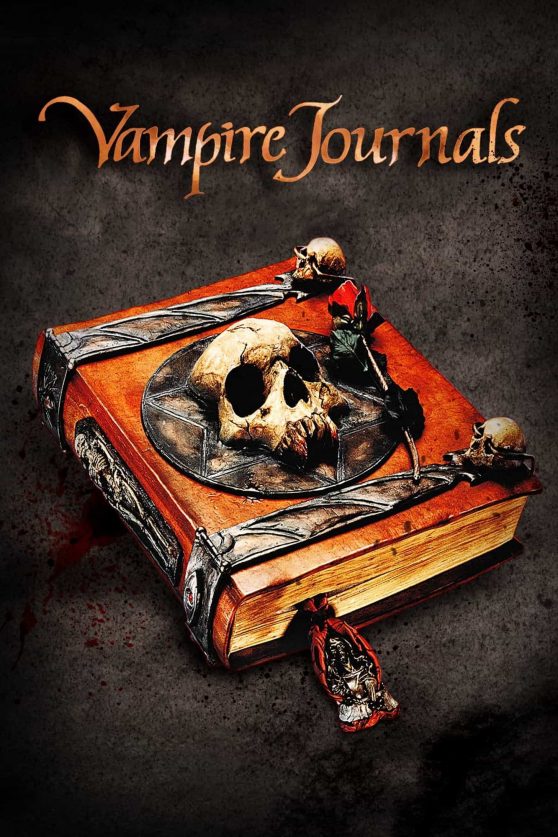
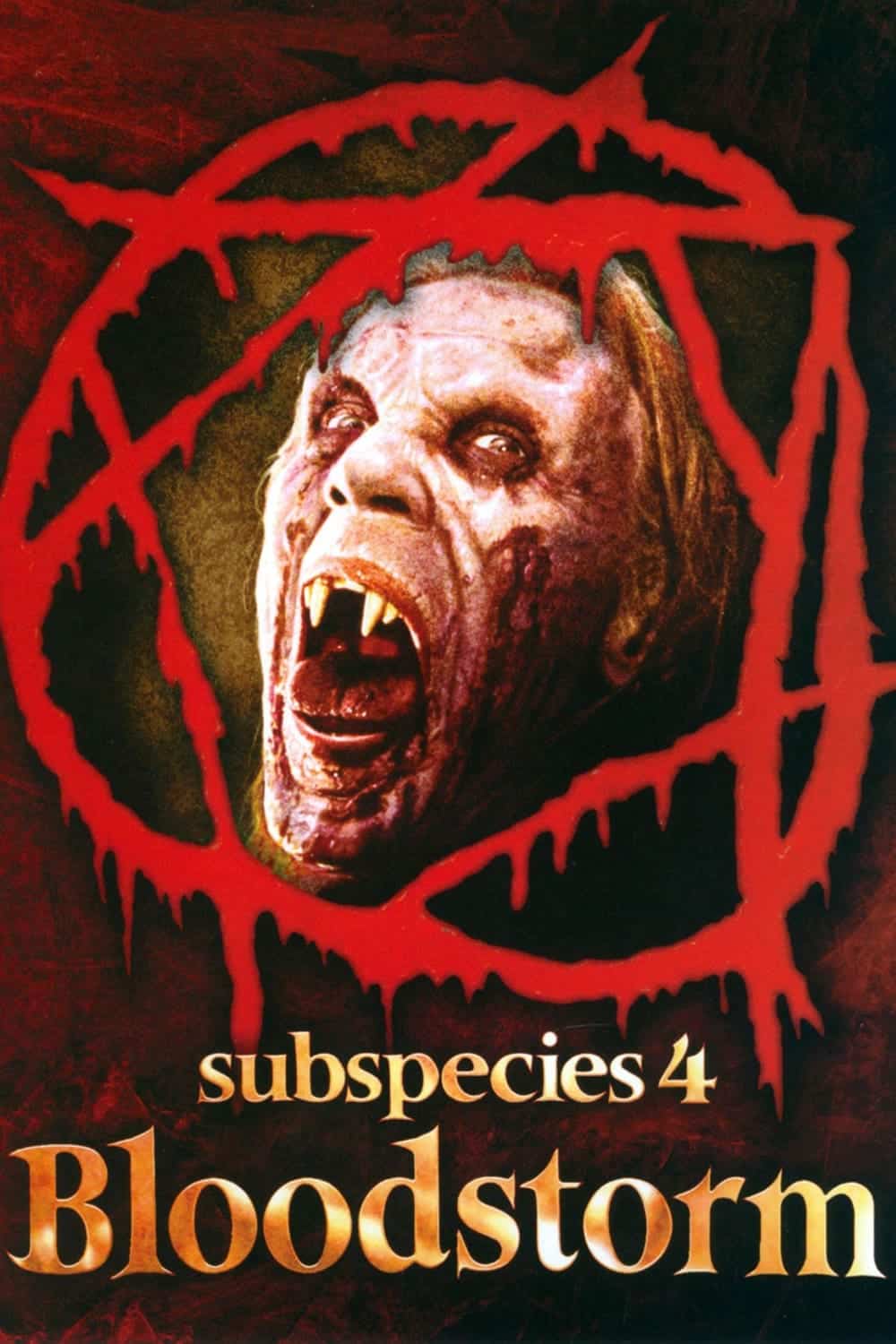
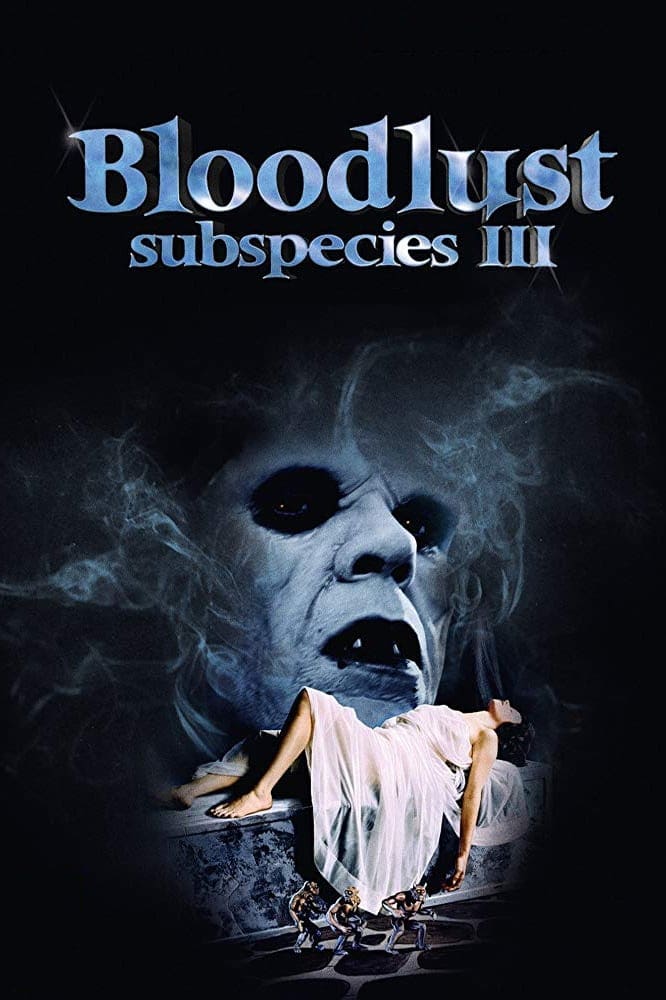
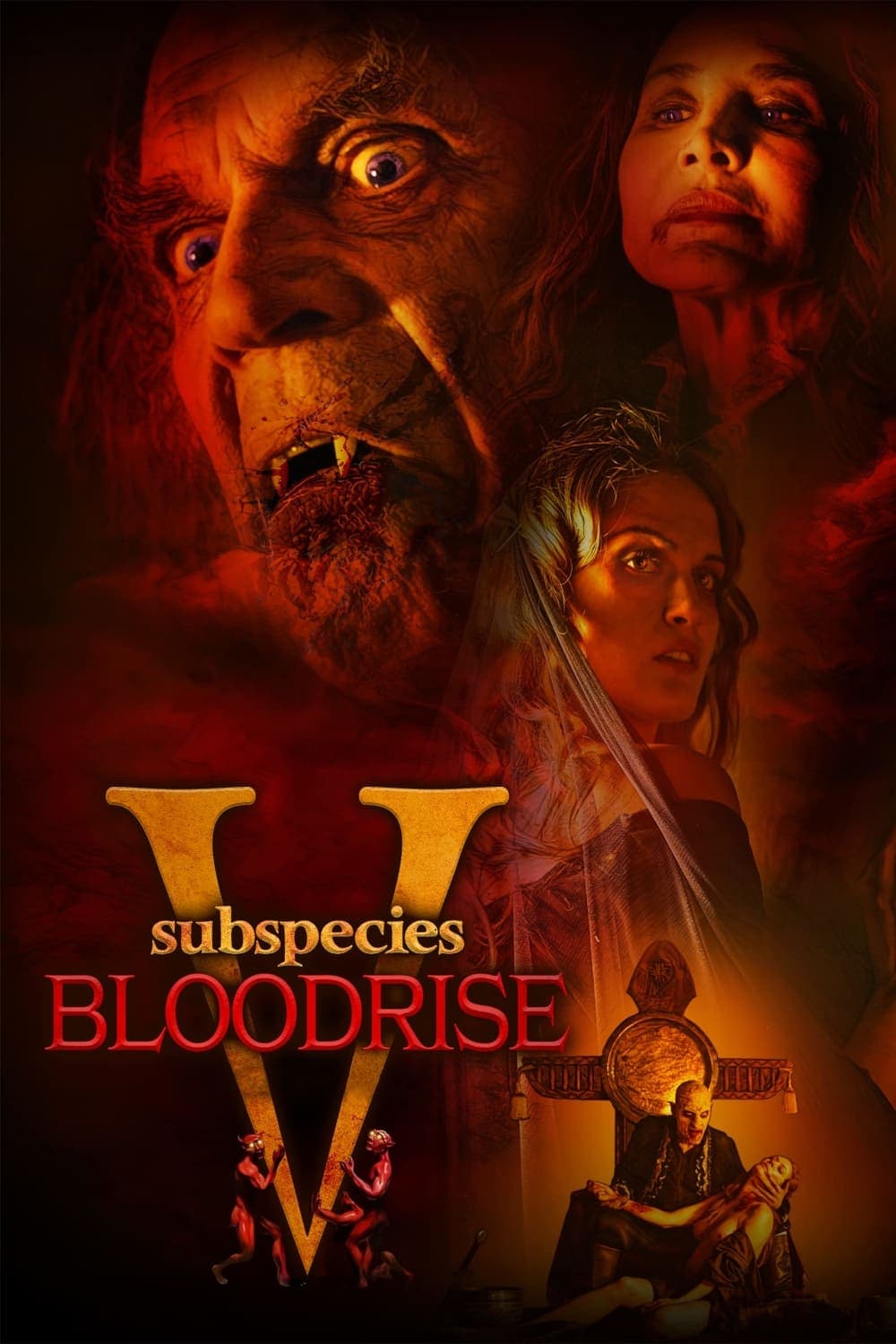
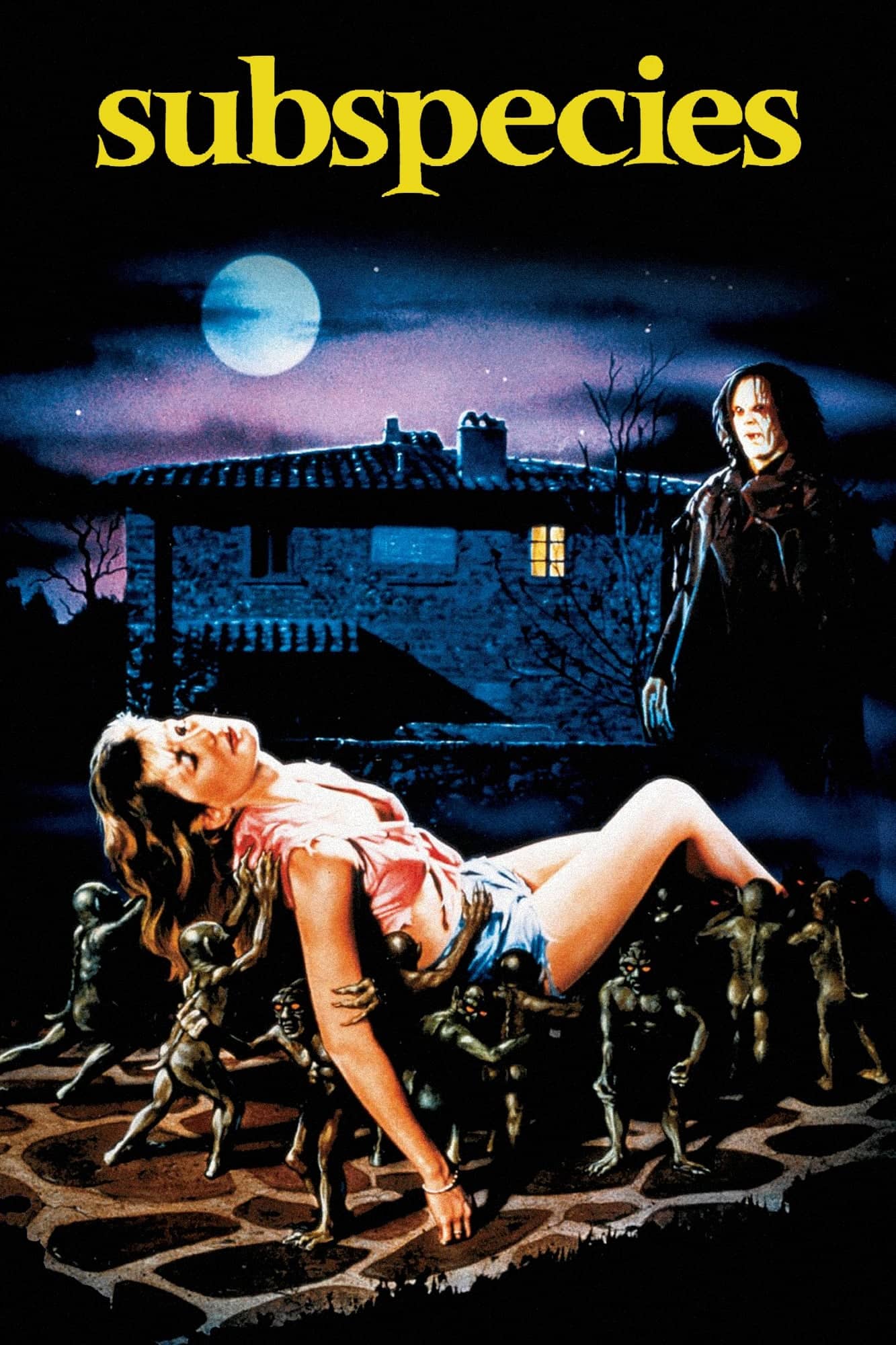
Vampire Journals—not to be confused with Vampire Diaries—is the fourth film in Full Moon’s Subspecies series and a spin-off from the first three films. It expands the series’ vampire mythos without actually including any of the characters or actors from previous films, although it is directed by Ted Nicolaou, who directed all the other films in the series.
The film is about two vampires, the vampire king Ash and the angst-ridden Zachary—both are straight from Anne Rice’s school of gothic and highly emotional vampires. Zachary is on a mission to kill every vampire in his bloodline and Ash is his target. Ash is busy being in love with a pianist and turning rich men into vampires in exchange for their wealth.
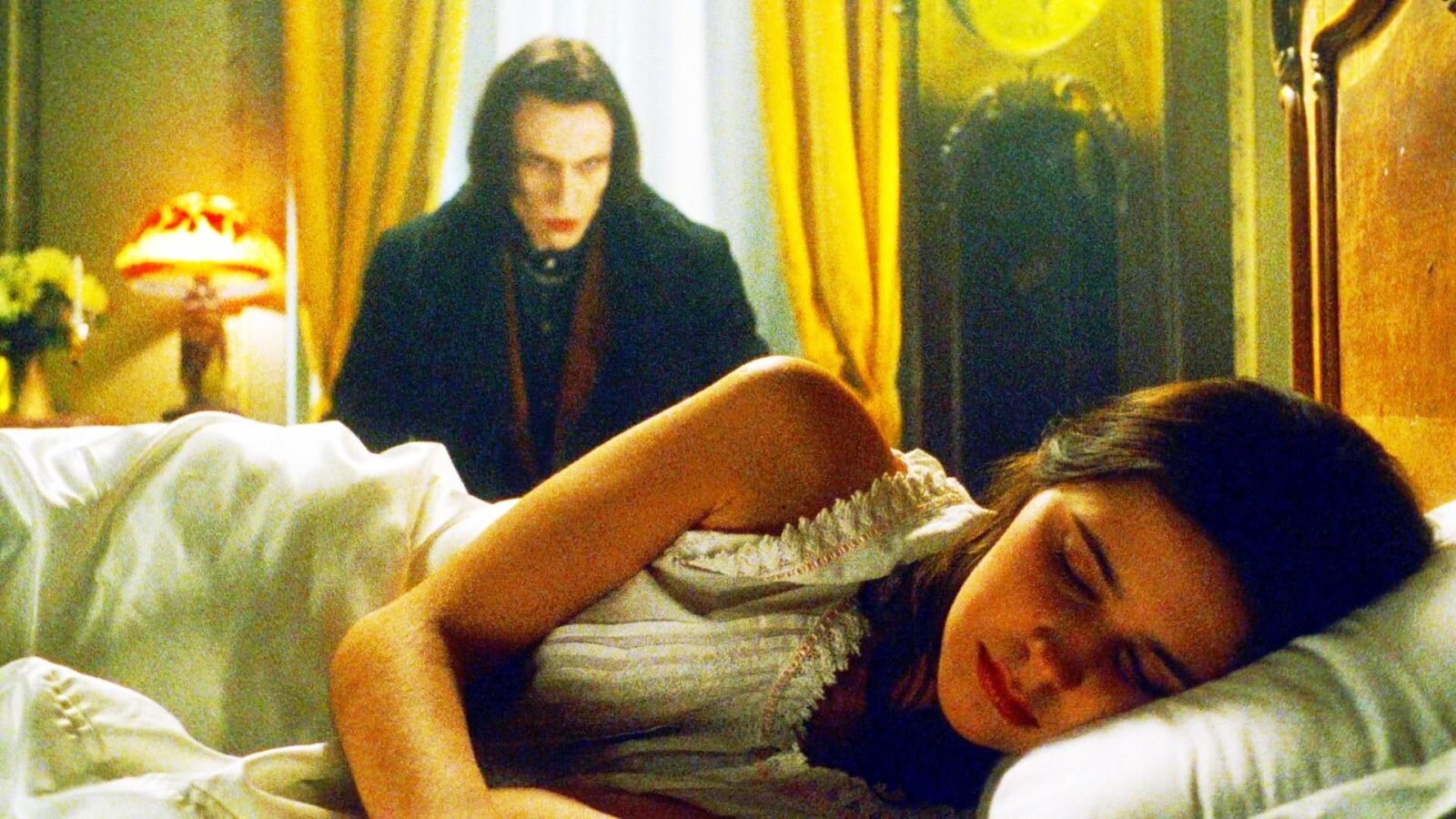
Interview with the Vampire (1994) was released three years before this film and that is quite apparent. While the first three Subspecies films had a very distinct feel and atmosphere, more inspired by the Hammer films of the 1960s than anything else, Vampire Journals is an obvious emulation of Neil Jordan’s film. In part, at least. We have the narration by the vampire who hates vampires, the exploration of vampire clans and hierarchy, and the very late 19th century sets, even though the film is set in the 1990s.
It’s also too much of a rehash of the plot from the original Subspecies (1991). We have the evil vampire, the female protagonist that he turns into a vampire, the good vampire that tries to save her, etc. It’s more of a remake with weaker characters, and even though it is filmed on film, it has more of a made-for-TV feel to it.